Multi-frequency GNSS: beyond the L1 label
Multiple frequencies provide additional observations and help separate some atmospheric effects from geometric distance.
Frequency and constellation are different
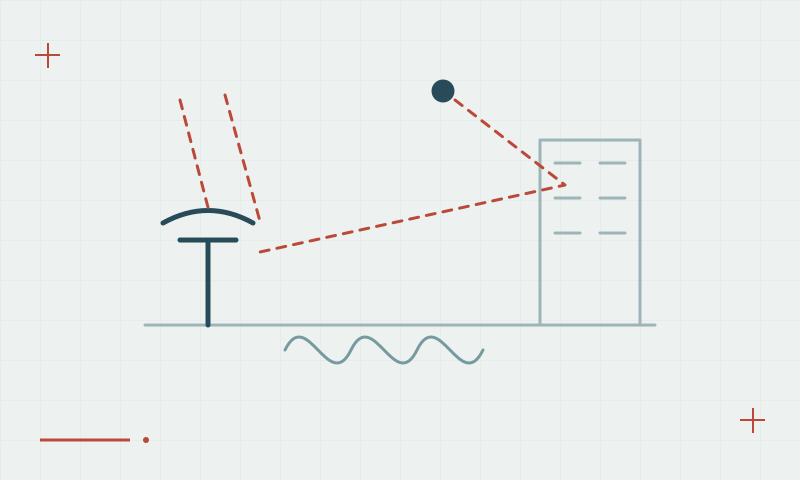
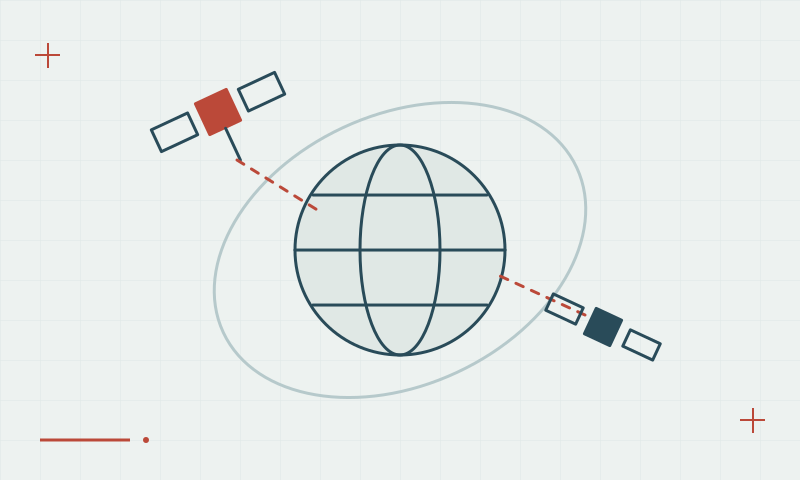
A constellation identifies a satellite system; a frequency identifies a transmitted signal band. A multi-frequency receiver can combine measurements with different sensitivity to the ionosphere. This is valuable for precise positioning, although it does not eliminate multipath, antenna errors or the need for suitable processing.
Continue learning Code and carrier phase: two GNSS measurements
Check the complete measurement chain
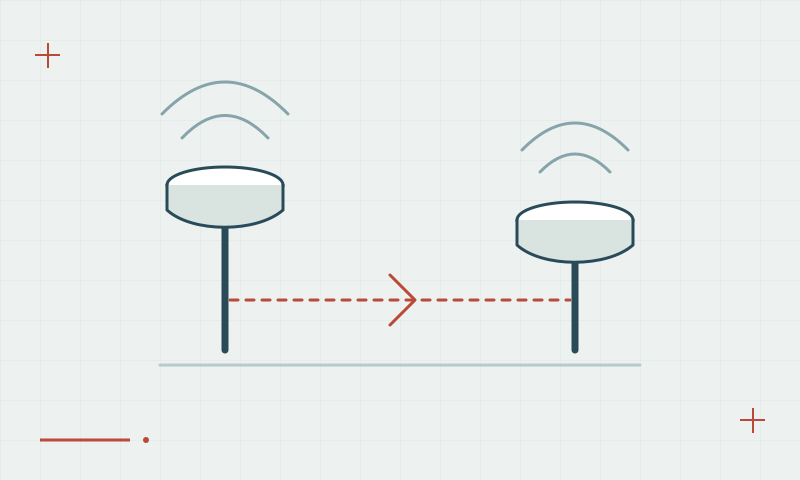
The antenna, receiver firmware and correction source must support the intended signals. A long specification list may include features planned for a later firmware release. Verify present availability and test the actual base-and-rover combination rather than treating every listed signal as immediately usable.
Continue learning The ionosphere and GNSS: why conditions can change
Practical checklist
- Separate constellation support from frequency support.
- Check antenna and correction-stream compatibility.
- Confirm which firmware features are currently enabled.
Plan your GNSS setup
Compare the EQ10 and EQ20 receiver specifications, then discuss the configuration and support your project needs.
Compare GNSS receivers