RTK vs PPK: choosing when to process corrections
RTK provides results during collection. PPK computes positions afterward from recorded observations.
The processing time changes the workflow
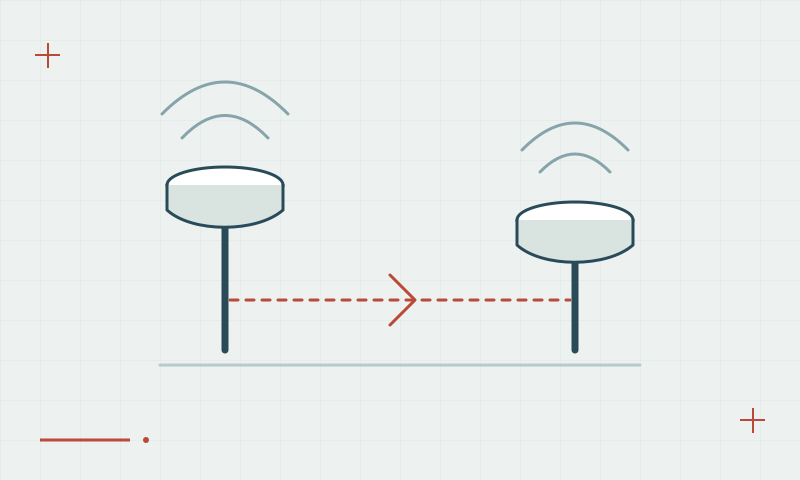
RTK requires a working real-time correction connection. PPK uses stored rover and reference observations and processes them after the survey. PPK can avoid dependence on a continuous live link, but it still needs overlapping observations, usable phase tracking, correct metadata and a suitable reference source.
Continue learning How RTK GNSS turns observations into precise positions
Choose around decisions and recovery needs
Stakeout generally needs a live position, while some mapping workflows can accept post-processing. Where the equipment supports it, preserving raw observations can provide a useful recovery option. Confirm actual receiver logging and software compatibility before promising that an interrupted RTK job can be recovered afterward.
Continue learning Preparing GNSS data for PPK processing
Practical checklist
- Identify which tasks need immediate field decisions.
- Check raw-data and reference-data availability.
- Verify processing compatibility before field deployment.
Plan your GNSS setup
Compare the EQ10 and EQ20 receiver specifications, then discuss the configuration and support your project needs.
Compare GNSS receivers