RTK Fixed vs Float: what the status means
Fixed and float describe ambiguity handling, not a guarantee that every coordinate is correct.
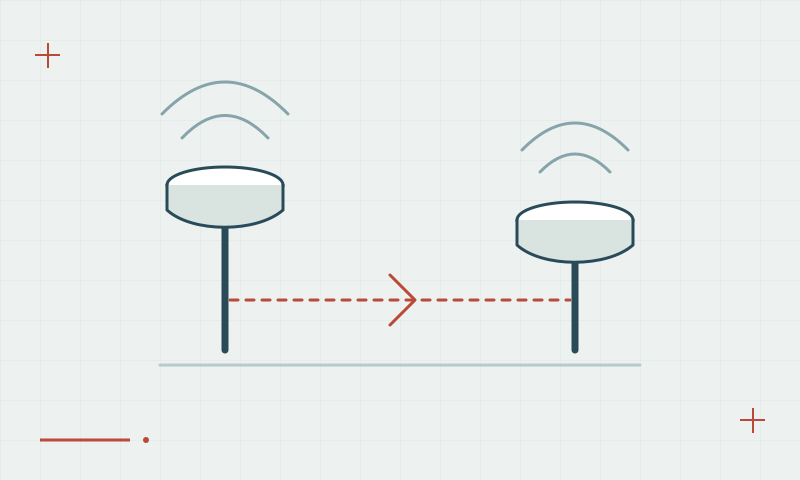
The difference is in ambiguity resolution
A float solution estimates carrier-phase ambiguities without constraining them to accepted integers. A fixed solution uses an integer ambiguity solution that passes the receiver processing tests. Fixed normally supports a more precise result under suitable conditions, but the status does not independently validate the coordinate datum or setup.
Continue learning How RTK GNSS turns observations into precise positions
Decide before collecting production points
Use the project requirements to define acceptable status, observation duration and check-point residuals. If fixed changes repeatedly to float, investigate tracking, corrections and the surroundings. Re-observe important points after an independent initialization rather than accepting a single favorable screen reading.
Continue learning RTK will not fix: a practical troubleshooting order
Practical checklist
- Define acceptable solution states before starting.
- Investigate repeated fixed-to-float transitions.
- Repeat important observations after reinitialization.
Plan your GNSS setup
Compare the EQ10 and EQ20 receiver specifications, then discuss the configuration and support your project needs.
Compare GNSS receivers