Repeat observations: creating a stronger GNSS check
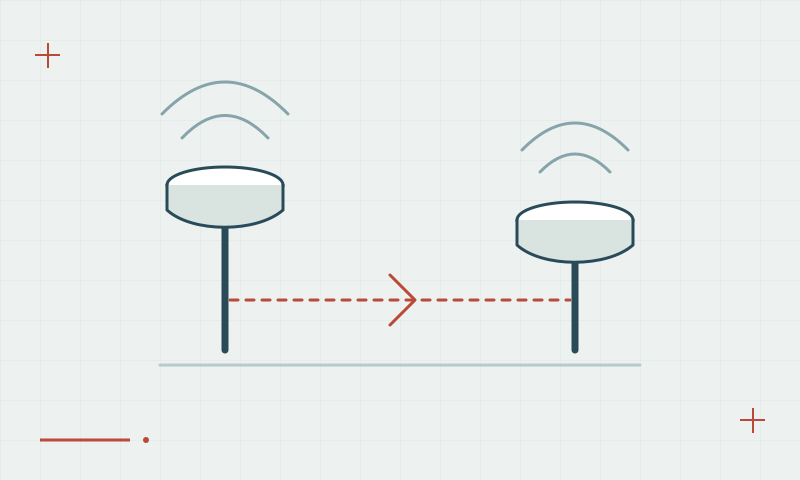
Two observations are more useful when they can expose different errors, rather than repeating the same setup unchanged.
Independence matters to the check
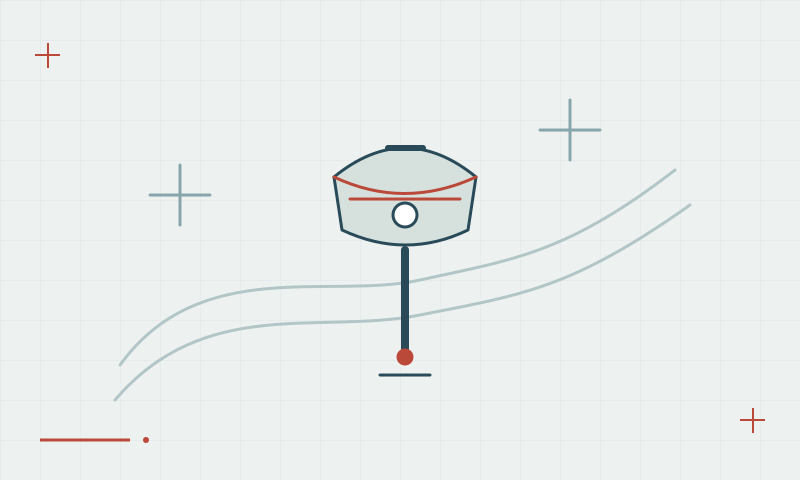
Repeating a point immediately with the same initialization and configuration may reproduce a shared error. An independent observation can vary the occupation, initialization, time or reference method according to the project procedure. The aim is to test reliability, not merely to obtain two closely matching coordinate strings.
Continue learning RTK Fixed vs Float: what the status means
Use residuals to guide investigation
Compare horizontal and vertical differences separately and retain both accepted and questioned observations. If repeats disagree, investigate antenna height, reference settings, corrections and the surroundings. Do not average a clear blunder into the final coordinate simply because averaging is available in the software.
Continue learning Antenna height: a small setup detail with large consequences
Practical checklist
- Plan the independence required by the survey method.
- Compare horizontal and vertical residuals separately.
- Investigate discrepancies before averaging observations.
Plan your GNSS setup
Compare the EQ10 and EQ20 receiver specifications, then discuss the configuration and support your project needs.
Compare GNSS receivers