Static and rapid-static GNSS surveys explained
Stationary observation methods need a session plan tied to baseline, geometry, obstructions and required uncertainty.
A stationary antenna provides a stable setup
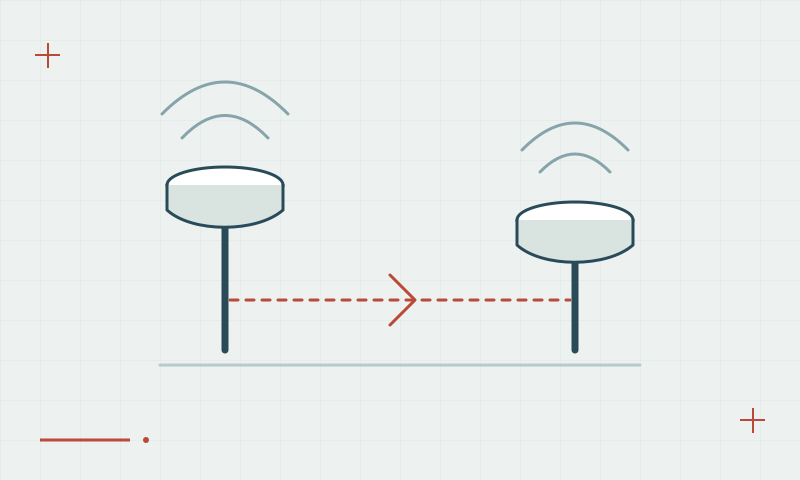
Static GNSS records observations while the antenna remains fixed over a mark. Rapid-static methods use shorter sessions under suitable conditions and processing assumptions. Neither name defines a universal session length: receiver capability, satellite geometry, baseline and the target uncertainty all influence the observation plan.
Continue learning RTK vs PPK: choosing when to process corrections
Build redundancy into the plan
Use stable mounting, measure antenna height carefully and document the antenna type and reference point. Plan repeat or independent observations so a processing result can be checked. Follow the applicable project method rather than applying a short session duration to every baseline or environment.
Continue learning Antenna height: a small setup detail with large consequences
Practical checklist
- Write a session plan for the required uncertainty.
- Record antenna type, height and measurement reference.
- Include independent observations and processing checks.
Plan your GNSS setup
Compare the EQ10 and EQ20 receiver specifications, then discuss the configuration and support your project needs.
Compare GNSS receivers