Satellite count and signal quality: what to check together
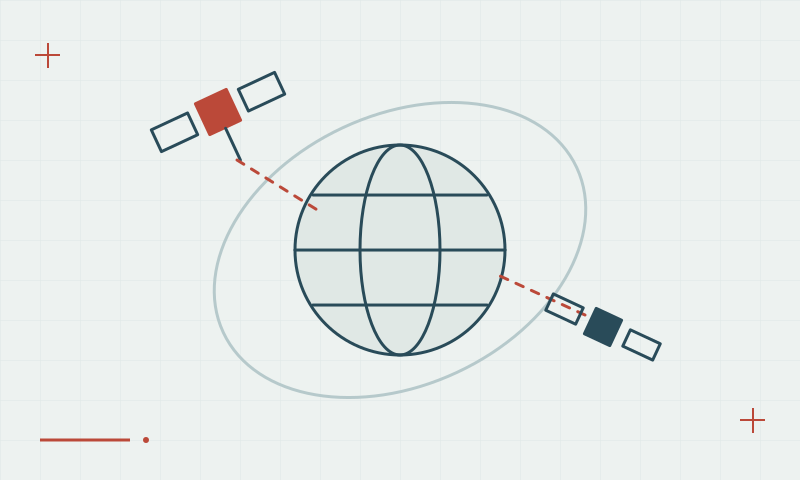
A larger satellite count can help availability, but useful observations must also be healthy and well distributed.
Tracked does not always mean useful
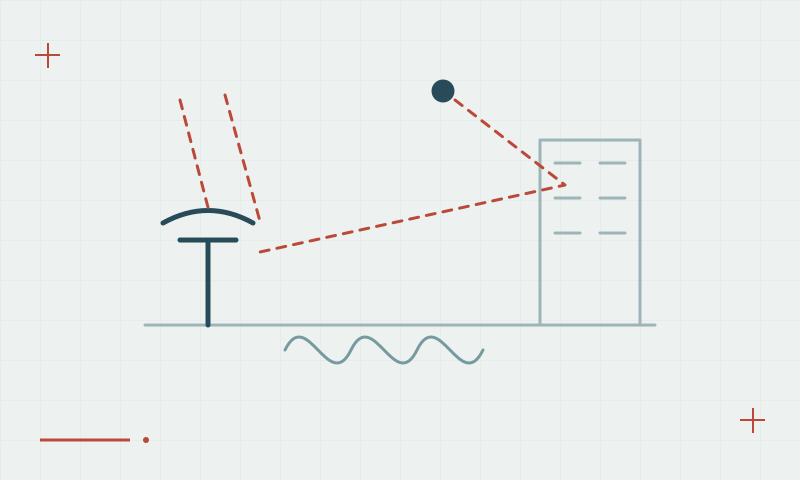
A receiver may show tracked, used and excluded satellite counts separately. Their meanings depend on the equipment and processing. Signal-strength indicators such as carrier-to-noise density can help assess reception, but they are influenced by the antenna, surroundings, signal type and how the receiver reports them.
Continue learning Why multi-constellation GNSS matters
Look for changes rather than one impressive number
Compare the indicator patterns in a clear test area with those at the work point. Watch for sudden loss of observations, unstable geometry or frequent solution changes. Use independent control to validate the resulting coordinates instead of treating satellite quantity as a direct accuracy specification.
Continue learning DOP and satellite geometry: reading the quality indicators
Practical checklist
- Identify which satellite count the controller displays.
- Compare reception patterns in clear and obstructed locations.
- Validate coordinates using control and repeat observations.
Plan your GNSS setup
Compare the EQ10 and EQ20 receiver specifications, then discuss the configuration and support your project needs.
Compare GNSS receivers