Correction age and latency: why a connected rover can still struggle
Fresh correction data and a functioning internet or radio connection are related but different checks.
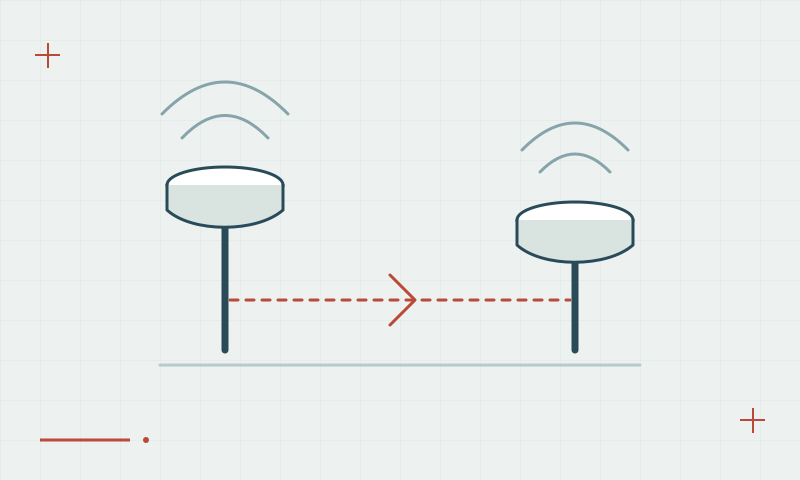
A link indicator shows only part of the story
Correction age describes how old the correction information is relative to its intended use. Delays or interruptions can arise at the reference source, network, caster, radio or controller. A connected icon may remain visible while the receiver is using stale data or cannot sustain its intended solution.
Continue learning NTRIP explained: caster, client and mountpoint
Look for the failure location
Review correction age, solution status and data flow together. Check whether the problem affects every rover or only one unit. Reobserve important points after restoring a stable correction flow, and retain the interruption record so later reviewers can distinguish a communication problem from a coordinate configuration error.
Continue learning UHF radio vs internet corrections for RTK
Practical checklist
- Monitor correction age alongside solution status.
- Check the reference source and each communication stage.
- Recheck control after the correction flow recovers.
Plan your GNSS setup
Compare the EQ10 and EQ20 receiver specifications, then discuss the configuration and support your project needs.
Compare GNSS receivers