NTRIP explained: caster, client and mountpoint
NTRIP carries GNSS data over the internet; the stream content determines how the receiver can use it.
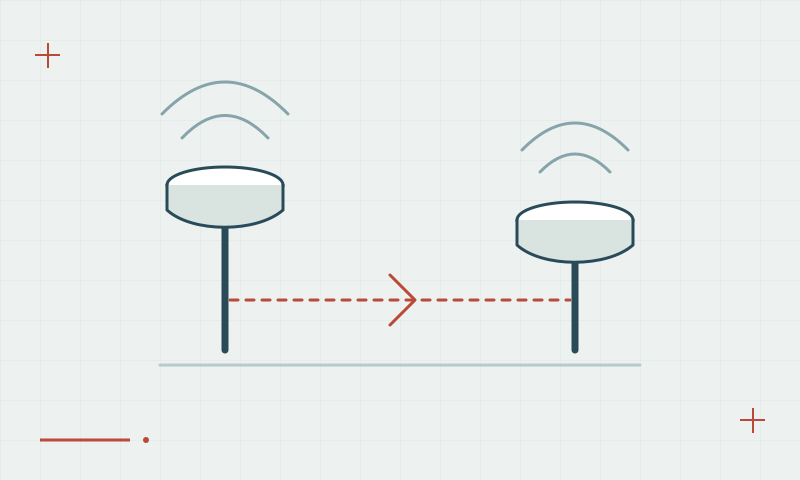
Transport and positioning are separate
An NTRIP caster distributes streams, while the rover client requests a selected mountpoint. NTRIP is a transport mechanism and can carry different GNSS data. Connecting successfully therefore does not prove that the stream contains compatible RTK corrections or the observations needed by a particular receiver.
Continue learning CORS and network RTK: understanding the reference service
Check the stream rather than the login alone
Confirm the host, port, mountpoint, account permissions and required receiver position messages. Then inspect whether correction data is arriving and being used. Keep credentials out of public job reports; record the provider and stream identifier instead so the configuration remains traceable.
Continue learning RTCM messages: checking correction compatibility
Practical checklist
- Confirm the exact mountpoint and data format.
- Monitor received corrections and their age.
- Record configuration details without exposing passwords.
Plan your GNSS setup
Compare the EQ10 and EQ20 receiver specifications, then discuss the configuration and support your project needs.
Compare GNSS receivers