CORS and network RTK: understanding the reference service
Continuously operating stations provide reference observations; network services process or distribute them in different ways.
A station network is more than a map of sites
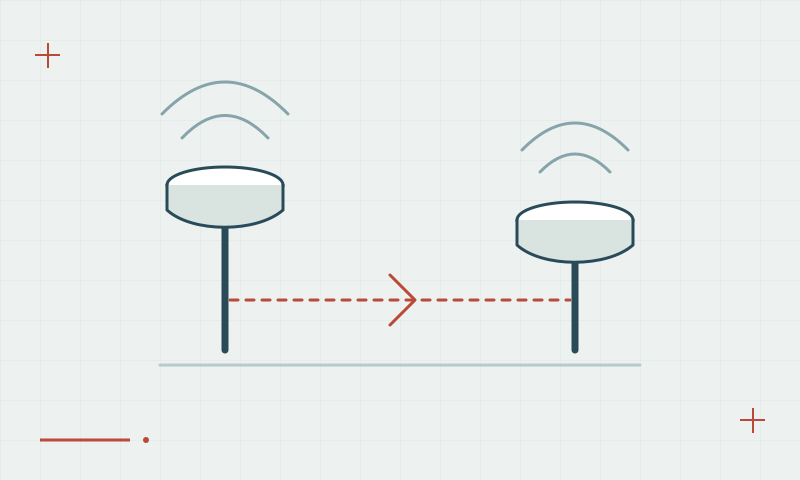
CORS stations continuously observe GNSS signals and maintain reference metadata. A network RTK service may combine station data to model regional errors and provide corrections to a rover. The service output, reference frame, supported signals and operating area should be checked with the provider.
Continue learning NTRIP explained: caster, client and mountpoint
Validate the service used on the job
Record the selected mountpoint and the reference frame or coordinate realization. Confirm whether rover position messages are needed by that service. Check on project control before starting, particularly if the job previously used a local base with different coordinates or a local transformation.
Continue learning RTCM messages: checking correction compatibility
Practical checklist
- Record provider, mountpoint and supported message types.
- Confirm reference frame and rover-position requirements.
- Compare the service result with project control.
Plan your GNSS setup
Compare the EQ10 and EQ20 receiver specifications, then discuss the configuration and support your project needs.
Compare GNSS receivers