IMU tilt compensation: benefits and verification
A tilt-capable receiver estimates the relationship between the antenna and pole tip; the setup still needs checking.
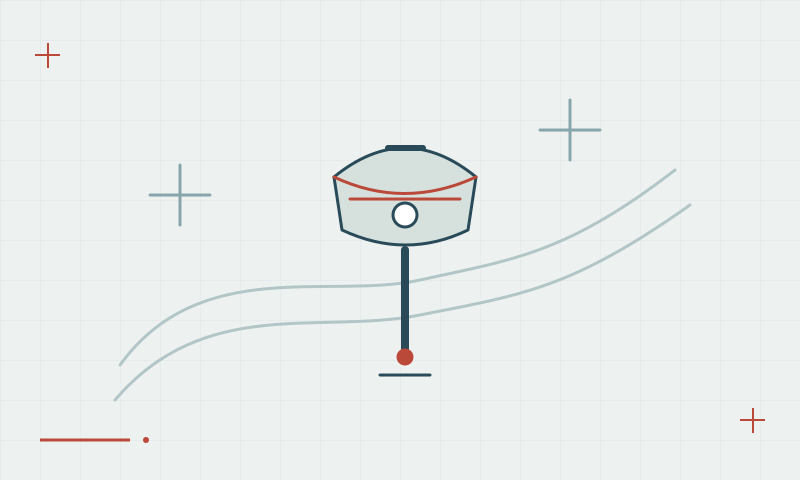
Tilt support changes how points can be reached
An IMU-assisted receiver can compensate for pole orientation within its supported operating conditions. This can make certain points easier to observe, but the result still depends on the GNSS solution, pole geometry, sensor state and correct configuration. Tilt range and tilt-compensation accuracy are different specification items.
Continue learning Antenna height: a small setup detail with large consequences
Check the stated conditions
The supplied EQ10 and EQ20 brochures list an IMU range up to 120°, while the stated tilt accuracy applies at angles up to 60°. Keep those conditions distinct. Test a known point with appropriate pole orientations and follow the current receiver instructions before relying on tilt measurements in production.
Continue learning Laser GNSS: measuring points that are difficult to approach
Practical checklist
- Verify pole geometry and sensor operating state.
- Read the conditions attached to tilt accuracy.
- Compare tilted observations against checked control.
Plan your GNSS setup
Compare the EQ10 and EQ20 receiver specifications, then discuss the configuration and support your project needs.
Compare GNSS receivers